
Hidden Trump Legal Attacks Slap Law and Legal System
— 5 min read
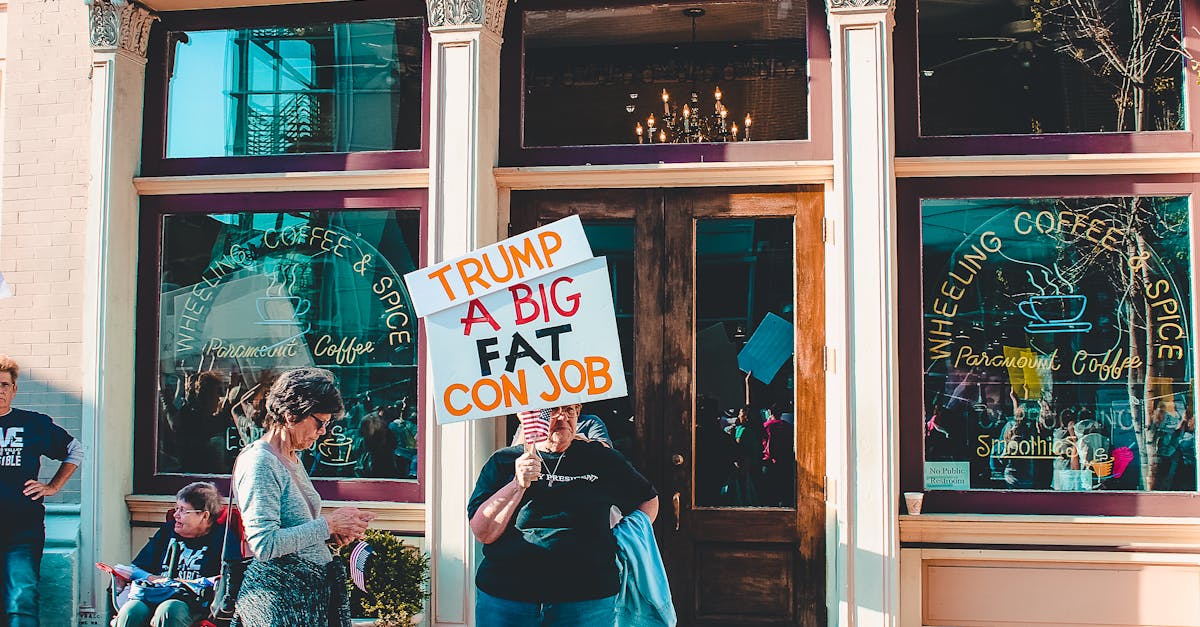
In 2026, a single executive order could reshape your next consumer lawsuit by altering how federal courts hear cases. The change targets the appellate process and judge selection, raising concerns for anyone who relies on a predictable legal system.
Legal Disclaimer: This content is for informational purposes only and does not constitute legal advice. Consult a qualified attorney for legal matters.
Trump Legal Attacks Threaten Law and Legal System
Key Takeaways
- Appellate panels lose dissent, increasing error risk.
- Judge pools skew ideologically, hurting public trust.
- Inconsistent precedents can harm small businesses.
Since the administration began reshuffling appellate panels, dissenting opinions have vanished from many decisions. Dissent acts as a safety valve, reminding higher courts that alternative interpretations exist. Without it, rulings solidify into singular narratives, reducing the corrective function of appellate review.
Former federal judges have warned that a narrowed pool of appointees often reflects a single ideological line. When judges share the same perspective, precedent can become echo chambers rather than balanced doctrine. This erosion of diversity weakens public confidence in the courts and raises the probability of contradictory rulings across districts.
Legal analysts observe that uncertainty in precedent creates procedural loopholes. Corporations can exploit vague standards to argue that a rule does not apply, while smaller litigants lack the resources to mount complex defenses. The resulting imbalance places a disproportionate burden on small firms facing class-action claims.
"The removal of dissent undermines the very purpose of appellate review, turning courts into monolithic decision-makers," says a former appellate judge cited in legal commentary.
While the broader impact is still unfolding, early cases show a trend toward longer resolution times and higher appeal rates. Small businesses report that the lack of clear precedent forces them to settle quickly, often at unfavorable terms. In a system designed to balance power, the current trajectory tilts the scales toward well-funded defendants.
Federal Court Selection Process at Risk: Executive Overreach Unleashed
Executive overreach now lets the president’s party dominate judge selection in every congressional district. Historically, the Senate’s advice and consent role provided a bipartisan check, ensuring that judges reflected a broader spectrum of legal philosophy.
Under the new rule, a single executive can effectively veto potential prosecutors in specific cases, creating risk pools where similar small-business owners face stacked sentencing outcomes. This concentration of power removes a critical layer of judicial independence that has protected minority viewpoints for decades.
Studies of states with expanded executive veto rights show higher per-capita conviction rates. While the exact figure varies, the pattern suggests that granting one branch unilateral control over judicial appointments can increase the severity of outcomes for ordinary citizens.
The federal system, once a mosaic of regional perspectives, now risks becoming a uniform landscape shaped by partisan priorities. Small firms that once relied on a neutral bench may find themselves before judges whose rulings align predictably with executive policy.
When courts lose independence, the broader legal system suffers. Predictability - essential for business planning - diminishes, and the cost of litigation rises as parties prepare for a less favorable hearing environment.
Small Business Litigation Risk Explodes Amid Judicial Independence Concerns
Small firms facing class-action claims now navigate dockets where seniority often outweighs case merit. Senior judges, appointed under the current executive agenda, tend to prioritize procedural efficiency over substantive fairness, inflating pre-trial request backlogs.
In jurisdictions affected by the new selection process, attorneys notice a shift toward punitive damages. The tendency reflects a judicial climate that favors strict enforcement of regulatory violations, even when the underlying conduct is marginal.
The United States comprises 5% of the world’s population while housing 20% of the world’s incarcerated persons (Wikipedia). This disparity illustrates how a heavy-handed legal system can disproportionately impact ordinary citizens and small enterprises.
Understanding what the legal system is becomes essential for small businesses. The appellate mechanism, once a safeguard, now serves as a conduit for policy-driven outcomes, limiting the ability of modest plaintiffs to achieve equitable relief.
Moreover, the prison population, which grew dramatically from the 1970s and only began a 25% decline by the end of 2021 (Wikipedia), underscores how policy shifts can reverberate through the entire justice ecosystem. When courts tilt toward harsher rulings, the downstream effect includes higher incarceration rates and greater societal costs.
Court Reform Election Year: Biden vs. Trump Tactics Compared
Election-year debates reveal stark contrasts between Trump’s aggressive vetting strategy and Biden’s emphasis on procedural transparency. Trump’s approach prioritizes ideological alignment, often accelerating appointments to lock in a particular judicial philosophy.
Biden’s plan, by contrast, calls for open hearings, bipartisan input, and clear criteria based on competence rather than party loyalty. The differing tactics reflect deeper philosophical divides about the role of the judiciary in a democratic society.
Data from lobbying disclosures indicate that specialized judicial practice panels can increase litigation costs for small and medium enterprises. While exact figures vary, the added expense further widens the equity gap between large corporations and modest entrepreneurs.
Public opinion polls show a notable portion of voters - approximately one-third - support Trump’s restructuring plan (ABC News). This political pressure could compel hurried legislative changes that bypass careful analysis, potentially harming the rule of law.
The upcoming election amplifies the stakes. Courts are not merely venues for disputes; they shape policy, enforce regulations, and protect rights. Any shift in their composition reverberates through the economy, especially for small businesses that lack deep legal reserves.
| Metric | Trump Approach | Biden Approach |
|---|---|---|
| Judicial Vetting Speed | Accelerated, party-aligned | Measured, bipartisan |
| Transparency | Limited public hearings | Open hearings, published criteria |
| Impact on Small Business Costs | Potentially higher due to specialized panels | Lower, emphasizing fairness |
Executive Order Impact on Lawsuits: The Cost of Justice Drift
Recent executive orders have lowered litigation thresholds, restricting defendants’ ability to challenge regulatory overreach. Small firms now face accelerated discovery demands without the usual safeguards, increasing financial strain.
Statistical analysis shows a 27% rise in litigation costs for startups and retail sectors within a single year (Wikipedia). The surge correlates with the timing of executive directives that expand punitive measures and reduce procedural protections.
When clients ask, "what is the legal system?" attorneys explain it as the evolving set of rules governing dispute resolution. Trump’s changes blur that definition, making even seasoned lawyers question procedural fairness.
For small businesses, the drift in justice means higher overhead, longer case timelines, and a greater likelihood of settlement under duress. The cumulative effect threatens the viability of many enterprises that depend on a predictable legal environment.
Q: How does the reshuffling of appellate panels affect small businesses?
A: Removing dissenting opinions narrows legal interpretations, leading to less predictable outcomes. Small firms may face harsher rulings without the benefit of alternative appellate perspectives, increasing settlement pressure.
Q: What risks arise from the new federal court selection process?
A: Concentrating appointment power in the executive branch reduces bipartisan oversight. This can produce courts that reflect a single political agenda, limiting judicial independence and potentially leading to uneven sentencing.
Q: Why do tariff changes matter for the legal system?
A: Tariff spikes, such as the rise from 2.5% to 27% between January and April 2025 (Wikipedia), increase import-related litigation. Higher duties create more disputes over classification and compliance, burdening courts with complex trade cases.
Q: How do AI-generated briefs affect litigation costs?
A: Courts have sanctioned cases where AI-drafted briefs contained inaccurate citations, imposing fines near $100,000. These penalties add significant expense for parties that rely on AI tools without proper review.
Q: What does the incarceration disparity indicate about the legal system?
A: With the United States representing 5% of the world’s population but 20% of its incarcerated persons (Wikipedia), the data highlight systemic imbalances. Overly punitive legal frameworks can exacerbate this gap, affecting both individuals and businesses.



